Washington, D.C. — Congresswoman Julie Fedorchak (R-ND) spent last week traveling across North Dakota meeting with farmers, landowners, and agricultural leaders. From Fargo to Minot to Dickinson, the conversations focused on perpetual easements and landowner rights, animal agriculture, year-round E15, and the risk management tools included in the Working Families Tax Cuts Act.
On Tuesday, Fedorchak addressed 150 producers and ag stakeholders at the North Dakota Livestock Alliance Summit in Fargo. She underscored the role animal agriculture plays in North Dakota’s economy and rural communities, while acknowledging the real pressures producers face—from rising input costs and labor challenges to market uncertainty that complicates long-term planning.
Fedorchak underscored the synergies that exist between livestock development, production agriculture, and ethanol and biofuels production. All three industries can strengthen each other, help diversify risk, reduce input costs, and improve the economics of farm and ranch operations as well as rural economies.
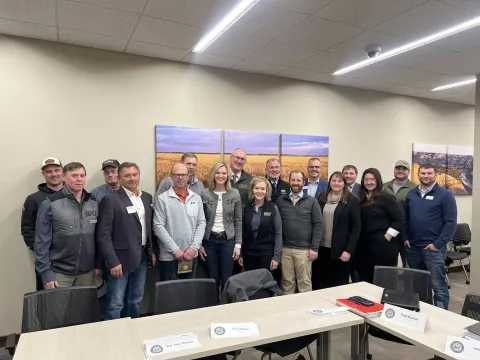
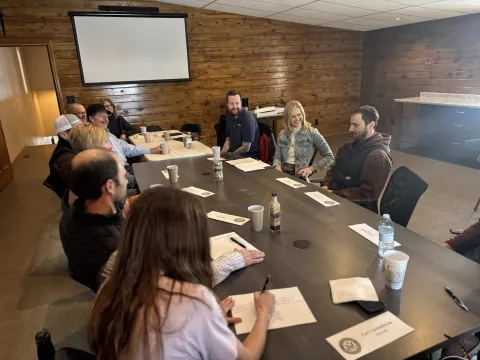
In Minot, Fedorchak held a roundtable with farmers, ranchers, and landowners who have U.S. Fish and Wildlife easements on their property. The agency has one-sided rules that allow it to expand the scope of its perpetual easements far beyond the original contract signed decades ago. This significantly impairs landowners who operate in the Prairie Pothole region from managing their land to improve drainage and in many cases improve the health of the soil as well as wildlife habitat.
“What I heard is not only maddening, it’s wrong. Our federal agencies should work with our farmers and ranchers, not be adversarial toward them. These folks are on the frontline of feeding our nation, and they are also the most important environmental stewards in our nation. We are working multiple angles to fix this problem and give our landowners the commonsense tools they need to effectively manage their land to grow crops, raise cattle, and provide a habitat for wildlife,” Fedorchak said.
In April 2025, Fedorchak introduced the Landowner Easements Rights Act. This legislation would prohibit the Department of Interior (DOI) from entering into new U.S. Fish and Wildlife conservation easements that exceed 30 years and would allow landowners to renegotiate terms, renew agreements, or buy back conservation easements at fair market value.
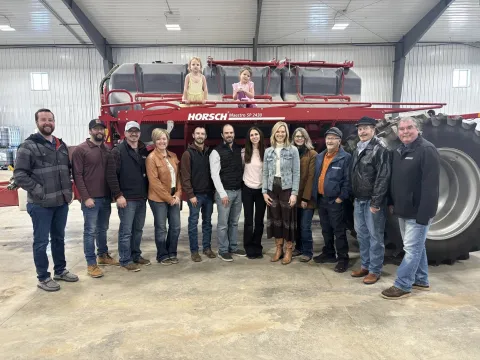
To complete the week, Fedorchak met with crop insurance experts and multi-generation North Dakota farmers and ranchers to discuss crop insurance and reference price improvements included in the Working Families Tax Cuts Act. Participants described the bill’s changes to crop insurance as “outstanding” for North Dakota, particularly when combined with increased reference prices heading into the new growing season. Fourth- and fifth-generation producers also shared dozens of ideas to cut red tape and modernize federal farm programs so they better reflect today’s agriculture needs.
###